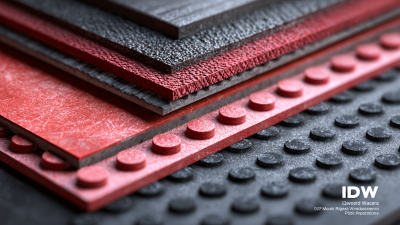
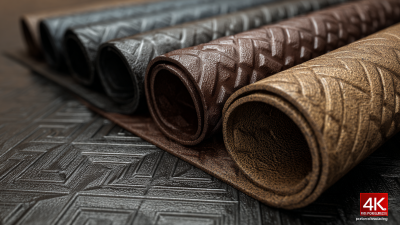
When you're choosing the right flooring for your space, it's pretty important to understand the ins and outs of Rubber Tile. Like John Peterson from EcoTile Solutions puts it, 'Picking the right Rubber Tile isn’t just about how it looks — it also boosts safety and lasts longer.' With so many options out there, each tailored for different needs, it can actually feel a bit overwhelming trying to figure out what’s best for you.
But here's the thing: Rubber Tile isn’t just about looks. It’s super versatile and works great in all sorts of places — Gyms, playgrounds, commercial spaces, you name it. Plus, when you’re deciding, you'll want to think about things like how comfy it feels, how easy it is to maintain, and whether it’s eco-friendly. As you go through the process of picking the right one, knowing what to look for in Rubber Tile can really help you make smart choices — ones that keep things safe and will last, while still showing off your personal style.
Understanding the Different Types of Rubber Tiles Available
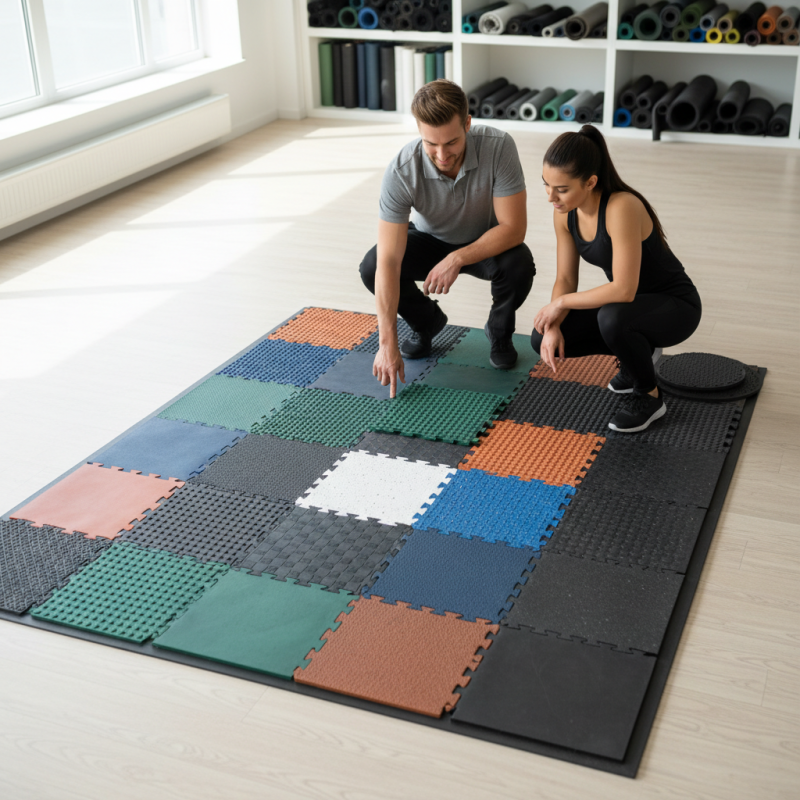
When looking for the best rubber tile for your space, it’s essential to understand the various types available, as they cater to different needs and environments. First, there are interlocking Rubber tiles, which are perfect for DIY projects and easy installation. These tiles can be fitted together without adhesive, making them an excellent option for temporary setups or areas that require frequent reconfiguration. They are commonly used in home gyms, playrooms, and basements due to their versatility and ease of use.
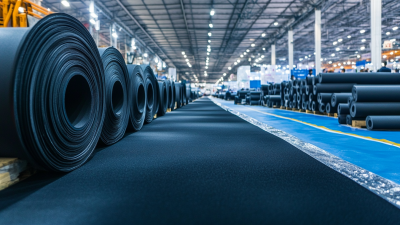
Another type to consider is rolled Rubber Flooring, which comes in large sheets that can cover expansive areas seamlessly. This type is ideal for commercial spaces such as gyms, schools, and retail areas where durability and low maintenance are essential. Rolled rubber provides a uniform look and reduces the number of seams, making it easier to clean. Additionally, tiles with varying thicknesses are available, allowing you to select the right level of cushioning and resistance for your specific applications, whether you're aiming for sound absorption, impact resistance, or comfort underfoot. Understanding these different types will guide you in selecting the right rubber tile that meets both your aesthetic and functional requirements.
Assessing the Durability and Longevity of Rubber Flooring
When assessing the durability and longevity of rubber flooring, it's essential to consider several factors. Rubber tiles are known for their resilience and ability to withstand heavy foot traffic, making them an ideal choice for both commercial and residential spaces. According to industry reports, high-quality rubber flooring can last between 15 to 25 years, depending on the thickness and the quality of materials used. This longevity can significantly reduce costs over time, as the need for replacement is minimized.
Tip 1: Before you make a purchase, check the thickness of the rubber tile. Tiles with a thickness of at least 1/4 inch are recommended for high-traffic areas, as they provide better impact resistance and can endure wear for many years.
Another crucial aspect to consider is the flooring's overall maintenance requirements. Rubber flooring is generally easy to clean, but the specific formulations can affect its longevity. Reports suggest that tiles with higher density are not only more durable but also require less maintenance.
Tip 2: Look for tiles that come with a manufacturer warranty of at least 5-10 years. A solid warranty often reflects the manufacturer's confidence in their product's durability, providing peace of mind regarding your investment.
In summary, prioritizing both the physical attributes and maintenance needs of rubber tiles while integrating tips based on industry insights can go a long way in ensuring you choose a flooring solution that stands the test of time.
Evaluating the Slip Resistance Features of Rubber Tiles
When selecting rubber tiles for your space, evaluating their slip resistance features is crucial to ensure safety and prevent accidents. The American National Standards Institute (ANSI) has established guidelines that measure the slip resistance of flooring materials. Specifically, the DCOF (Dynamic Coefficient of Friction) test rates surfaces on a scale of 0 to 1, with a score of 0.42 or higher recommended for areas prone to moisture, such as bathrooms and kitchens. Rubber tiles often score higher in this metric, making them an ideal choice for both residential and commercial applications.
According to the American Society for Testing and Materials (ASTM), various factors affect the slip resistance of rubber tiles, including surface texture, hardness, and the presence of contaminants such as water or oil. Textured surfaces can significantly improve grip, reducing the likelihood of slips and falls. A study published in the Journal of Floor Covering Research indicated that rubber flooring with a nuanced texture outperformed smooth surfaces in slip resistance by over 30%. This data underscores the importance of choosing rubber tiles with optimal surface treatments for enhanced safety in any environment.
Considering the Aesthetic Appeal and Design Options for Your Space
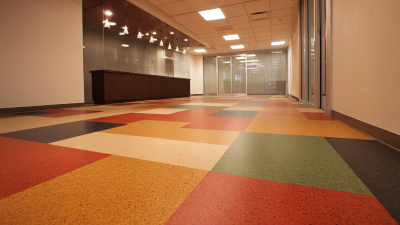
When considering the aesthetic appeal and design options for your space, rubber tiles offer a versatile solution that can seamlessly integrate with various decor styles. They come in a range of colors, patterns, and textures, allowing homeowners and designers to curate a distinct look that complements their vision. Whether you prefer a sleek modern finish or a more natural, rustic vibe, the right rubber tile can elevate the ambiance of any area.
One essential tip is to select colors that harmonize with your existing color scheme. Soft neutrals can make a space feel larger and more inviting, while bold colors can serve as statement pieces that draw attention. Additionally, consider the patterns—geometric designs can add a contemporary flair, while natural stone looks can create a warm and organic feel. Mixing different designs can also create a dynamic and unique environment.
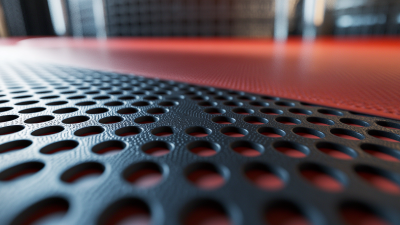
Another important aspect is the tile texture. Smooth surfaces are easier to clean but may feel slick, while textured tiles provide better traction, especially in spaces prone to moisture. Ensure that the chosen texture aligns with both aesthetic preferences and practical needs, maintaining both beauty and functionality in your space. By thoughtfully balancing these design elements, you can achieve a visually appealing environment that reflects your personal style.
Analyzing the Cost and Value of Rubber Tile Installation
When considering rubber tile installation for your space, it is crucial to analyze both the costs involved and the long-term value these tiles provide. The initial investment in rubber tiles can vary significantly based on factors such as material quality, tile thickness, and design. Generally, higher-quality tiles tend to cost more upfront but often result in lower maintenance costs and longer lifespans, making them a worthwhile investment over time.
Another important aspect to consider is the installation cost, which can fluctuate depending on the complexity of the project and whether you choose to hire professionals or opt for a DIY approach. Professional installation may incur additional expenses but ensures the job is done correctly and efficiently. In contrast, a DIY project can save money but requires a thorough understanding of installation techniques to avoid costly mistakes. Therefore, it is essential to weigh these costs against the potential benefits, such as enhanced durability, sound insulation, and ease of cleaning, which can contribute to a more enjoyable and functional environment in the long run.
Cost Comparison of Rubber Tile Installation by Area
Determining the Best Rubber Tile Thickness for Your Needs
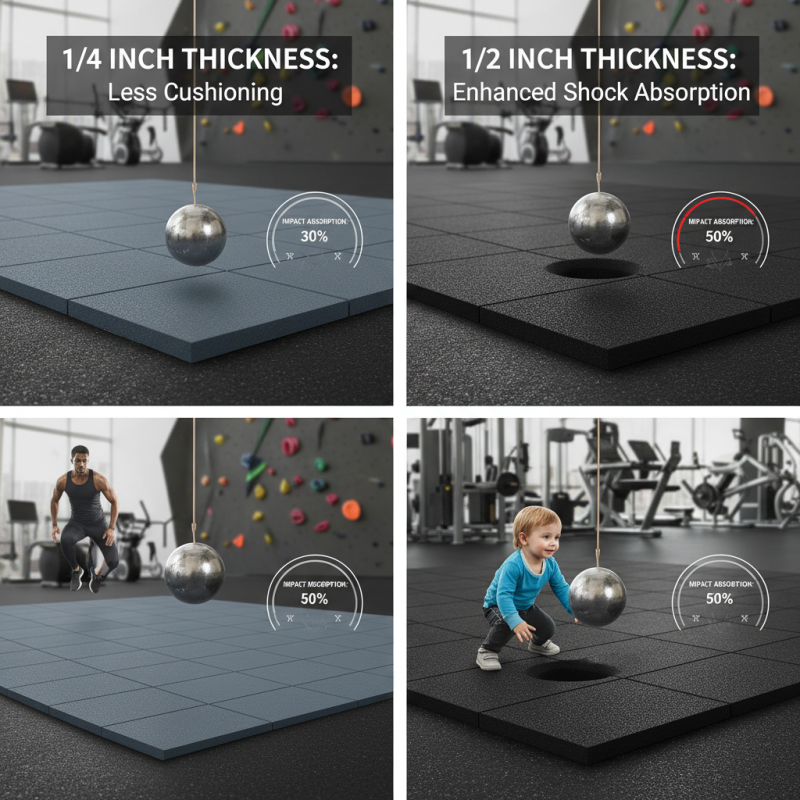
When selecting rubber tiles for your space, one critical factor to consider is the thickness of the tiles. Rubber tile thickness can significantly impact performance, comfort, and safety. Industry standards suggest that tiles with a thickness of 1/4 inch to 1/2 inch typically provide sufficient cushioning for high-impact activities, such as in gyms or play areas. A report by the International Council on Active Aging (ICAA) indicates that flooring thickness plays a vital role in fall protection; for example, rubber tiles of 1/2 inch thick can absorb more shock during falls, reducing injury risks by up to 50%.
Furthermore, the intended use of the space should dictate the appropriate tile thickness. For commercial environments with high foot traffic, tiles that are at least 3/8 inch thick are recommended to ensure durability and longevity. According to the Tile Council of North America, thicker rubber tiles tend to resist wear and tear more effectively, an essential factor in maintaining an aesthetically pleasing and functional surface over time. In contrast, areas such as home offices or residential hallways can opt for thinner tiles (1/4 inch) that still provide a degree of comfort underfoot without the added expense of thicker options.
Identifying Maintenance and Cleaning Requirements for Rubber Flooring
When selecting the best rubber tile for your space, understanding the maintenance and cleaning requirements is crucial. Rubber flooring is favored for its durability and ease of maintenance, but proper care is essential to retain its appearance and functionality. Regular cleaning with a damp mop and mild detergent helps prevent dirt accumulation and preserves the surface integrity. It is imperative to avoid harsh chemicals that may damage the rubber material.
One of the essential tips is to consider the specific environment where the rubber tiles will be installed. High-traffic areas might require more frequent cleaning and maintenance to manage wear and tear effectively. Ensure that you choose a tile with a texture that minimizes slipping while being easy to clean. Additionally, using mats at entrances can reduce the amount of dirt tracked onto the flooring, making your cleaning routine more manageable.
Another important aspect is the periodic inspection of the tiles for signs of damage or wear. Addressing any issues early can prevent more significant problems down the line. By staying proactive with maintenance, you can extend the life of your rubber flooring and maintain its aesthetic appeal, ensuring a clean and inviting space for years to come.
FAQS
: For high-impact activities, such as in gyms or play areas, rubber tile thickness should typically be between 1/4 inch and 1/2 inch.
Rubber tiles that are 1/2 inch thick can absorb more shock during falls, potentially reducing injury risks by up to 50%.
Tiles that are at least 3/8 inch thick are recommended for commercial environments to ensure durability and longevity.
Yes, for home offices or residential hallways, rubber tiles with a thickness of 1/4 inch can be used, providing comfort without the higher cost of thicker options.
Regular cleaning with a damp mop and mild detergent is essential, along with avoiding harsh chemicals that could damage the rubber.
Using mats at entrances can help minimize the amount of dirt tracked onto the flooring, making cleaning easier.
High-traffic areas may require more frequent cleaning and maintenance to effectively manage wear and tear.
Conducting periodic inspections for signs of damage or wear and addressing any issues early can help extend the life of the flooring.
It's beneficial to choose tiles with a texture that minimizes slipping and is also easy to clean.
Proper care and maintenance are essential to retain its appearance and functionality, ensuring a clean and inviting space over time.
Conclusion
When selecting the best Rubber Tile for your space, it's essential to understand the different types available to ensure they meet your needs. Assessing the durability and longevity of rubber flooring is crucial, as this determines how well the tiles will withstand wear over time. Additionally, evaluating slip resistance features can enhance safety, particularly in high-traffic or wet areas.
Aesthetic appeal and design options may influence your choice, allowing you to create a visually pleasing environment. Furthermore, it's essential to analyze the cost and value of installation, as this can impact your budget. The thickness of the Rubber Tile also plays a significant role in performance, while understanding the maintenance and cleaning requirements ensures long-lasting satisfaction with your flooring choice.